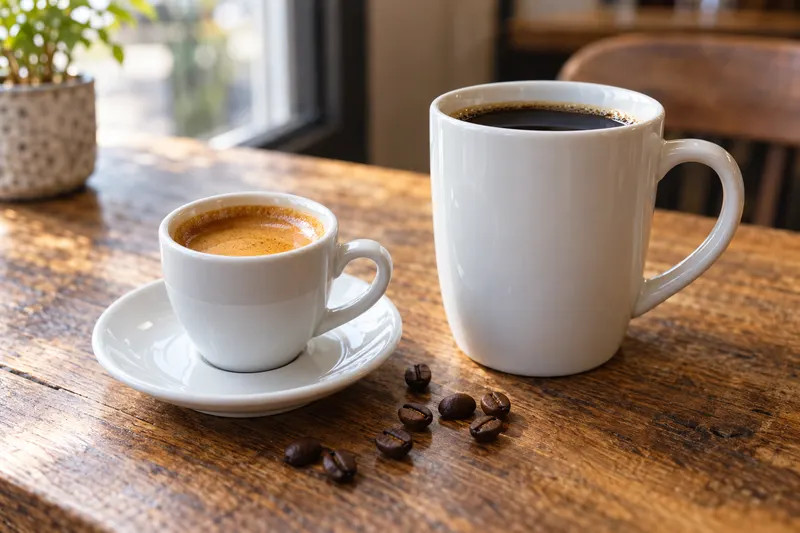
Ask three people what is a macchiato and you may get three different drinks. One pictures a tiny, dark cup. Another pictures a tall, sweet, caramel-striped drink from a chain. Both are called a macchiato, and both are, in their way, correct.
This guide sorts out the confusion: what the word means, the classic Italian version, the milk-heavy one, and why the menu at your local cafe may not match either.
What is a macchiato?
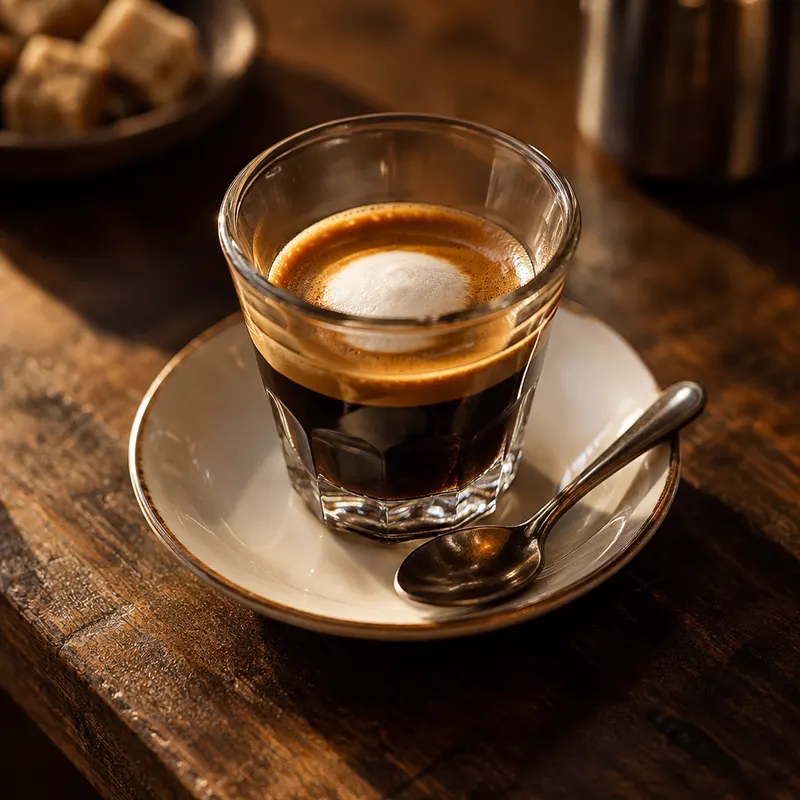
The word macchiato is Italian for “stained” or “marked.” In the original drink, a shot is “marked” with a small spoonful of milk or foam. That is the whole recipe. There is no big pour of milk and no layers of syrup, just coffee with a hint of something soft on top.
The idea is practical, and it is about as old-fashioned as coffee culture gets. A straight shot can be sharp and intense, and a tiny amount of milk takes the edge off without hiding the coffee. It is the drink for people who like the taste of coffee and want it a little rounder, which is also why it is usually small.
Espresso macchiato: the classic
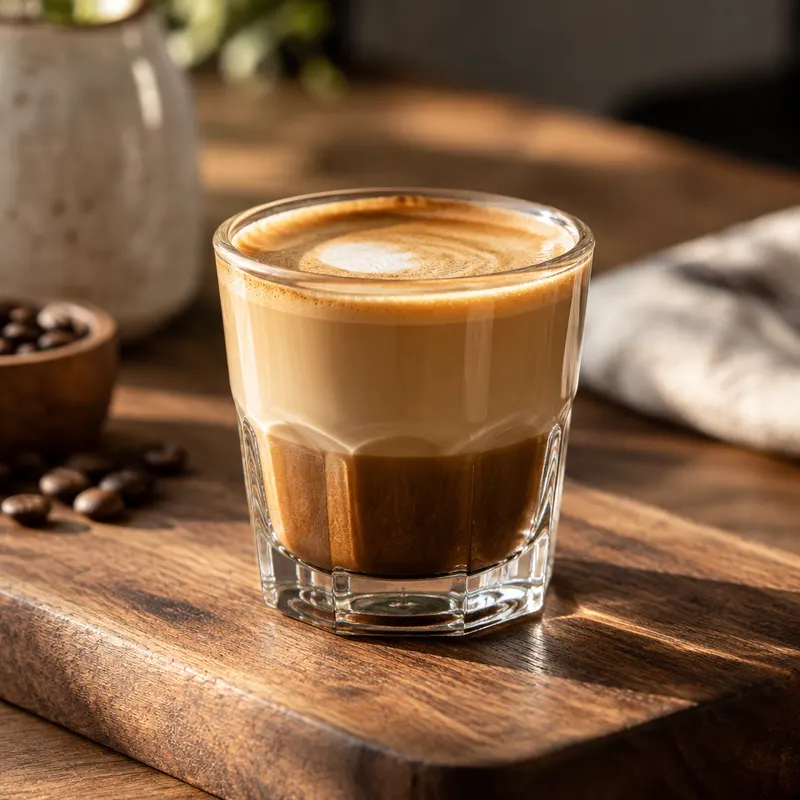
The classic, sometimes called a caffè macchiato, is served in a small cup. The barista pulls a single or double shot, then adds a dollop of steamed milk or a spoonful of milk foam. You get a strong, concentrated drink with a short finish and a creamy note at the end.
Because there is so little milk, this is the version you order when you want to taste the beans. It also helps to know that quality shows up fast here. A shot that is sour or bitter has nowhere to hide, so a good macchiato is a quiet compliment to the cafe’s coffee.
It is often drunk in a few sips, standing at the counter, the way many people enjoy it in Italy. The small size is part of the experience: a macchiato is a pause in the day, not a drink to carry around for an hour.
Latte macchiato: the opposite idea
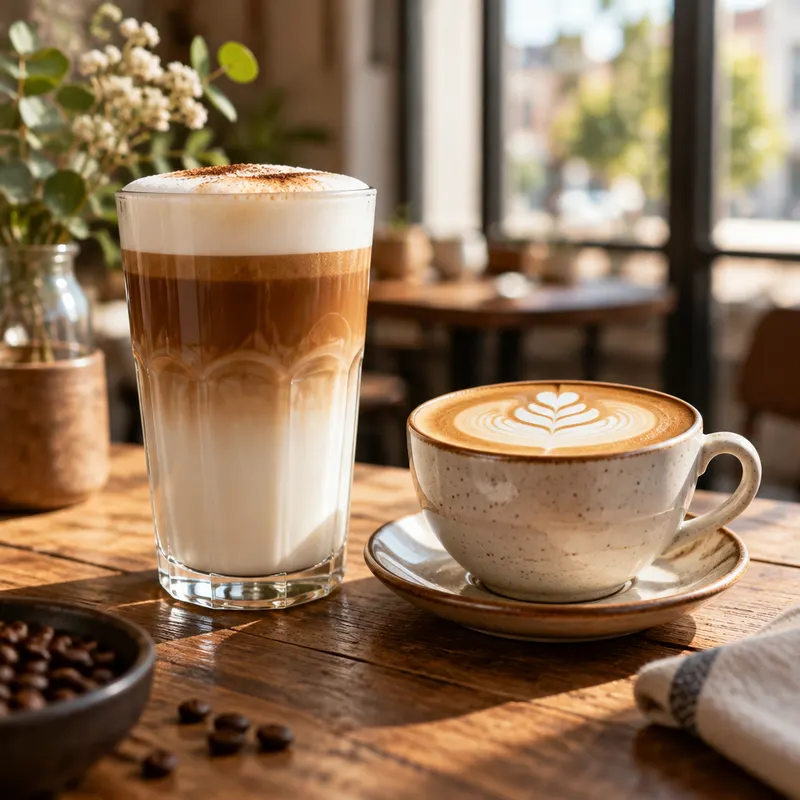
The latte macchiato flips the proportions, and it is the reason so many people think of macchiato as a milky drink. It is mostly steamed milk, and the espresso is the “stain.” The barista pours the coffee slowly through the milk so it settles into a visible layer, often in a tall glass. The result looks layered, tastes milky and mild, and is much closer to a latte than to a classic macchiato.
If you have been wondering about a macchiato vs latte, this is the version to compare. The latte macchiato is basically a latte built in a different order, which is why the coffee tends to taste softer and the layers fade as you sip.
Is a macchiato hot or cold?
Traditionally, it is hot. Both the classic and the latte version are served warm. Cafes often make iced versions, which are usually a shot of coffee poured over ice and milk. These are modern adaptations rather than the Italian original, but they are common enough that you should not be surprised to see “iced macchiato” on a menu.
What is the difference between a Starbucks macchiato and a regular macchiato?
This is where most of the confusion starts. A Starbucks macchiato, and in particular the caramel macchiato, follows the milk-first logic. It starts with vanilla syrup and steamed milk, then the shots are poured on top and finished with caramel drizzle. It is closer to a flavored latte than to the small, strong drink Italians order.
A regular macchiato is small, strong and plain. So if you want the classic, ask for it by name and check how your local cafe serves it. If you want the sweet, tall one, the caramel macchiato is what you are after. Neither is wrong, but they are two different drinks that happen to share a name.
How to make a macchiato at home
You do not need a cafe to explore this drink, but you do need strong, concentrated coffee, ideally a proper shot of espresso. If you own an espresso machine or a moka pot, you are set. If not, a small, strongly brewed coffee works as a stand-in, even if it will not taste identical.
Start with a warm cup. Make your shot, then steam or heat a little milk and whisk or froth it so it turns airy. Spoon a small amount of the foam on top of the shot and stop there. That is the classic. For the tall version, put warmed milk in a glass first and pour the shot over it slowly. Notice how the proportions, not the ingredients, decide which drink you have made. You can also try both versions back to back, which is the fastest way to feel the difference between a drink with a mark of milk and one built around it.
A useful habit is to taste the coffee by itself first, before any milk goes in. If it tastes harsh, a spoonful of milk will not fix it, but it may soften it enough to tell you what to change next time, such as the grind or the amount of coffee.
Caramel macchiato and other variations
The caramel macchiato is the best-known flavored version. You will also see vanilla, hazelnut and seasonal flavors, usually built the same way: syrup at the bottom, milk in the middle, espresso on top, sauce over the surface. Many cafes make them in large sizes that bear little resemblance to the classic.
If a menu says “macchiato” without a flavor, ask what size and how much milk. A one-sentence question usually saves you from the wrong drink, and it is the simplest way to settle what is a macchiato at that particular cafe.
What is the taste difference between a latte and a macchiato?
A latte tastes creamy, mild and a little sweet because most of the cup is milk. The classic macchiato tastes bold, concentrated and slightly bitter-sweet because most of the cup is coffee. The latte macchiato sits between the two: a milky drink with a more visible coffee layer than a regular latte. Syrups, when added, tend to override all of these differences.
Which coffee drinks have the least milk?
When people compare a macchiato vs cappuccino, they are really comparing milk. A cappuccino has a generous layer of milk foam and a soft body. A macchiato has a tiny amount. Our guide to cappuccino vs latte walks through the larger drinks, and our flat white guide covers the silky one in the middle.
If you want the most coffee and the least milk, here is the order from least to most milk, roughly:
- A plain shot, with no milk at all.
- Macchiato, with a small spot of milk or foam.
- Cortado, which is about equal parts coffee and warm milk in a small glass.
- Cappuccino, with a thick milk foam cap.
- Flat white, with silky microfoam.
- Latte and latte macchiato, with the most milk.
The exact amounts vary by cafe, so use this as a map, not a rule.
How to order a macchiato you will like: be specific. Say “espresso macchiato” if you want the small, strong classic. Say “latte macchiato” if you want the tall, milky one. Say “caramel macchiato” if you want the sweet one with syrup. And if you are not sure what the cafe means by macchiato, a quick question about size and milk will usually tell you.
So, what is a macchiato in the end? It is a word about how much milk touches the coffee, not a single fixed recipe. Once you know that, the menu makes a lot more sense, and you can steer the drink toward the strength and sweetness you prefer.
Sources
- 787 Coffee. What Is a Macchiato? (Drinks Explained).
- Peak Flavor Coffee. What Is a Macchiato?
- Lifeboost Coffee. Types of Macchiato.
- Methodical Coffee. Cappuccino vs Latte vs Macchiato (coffee culture blog).